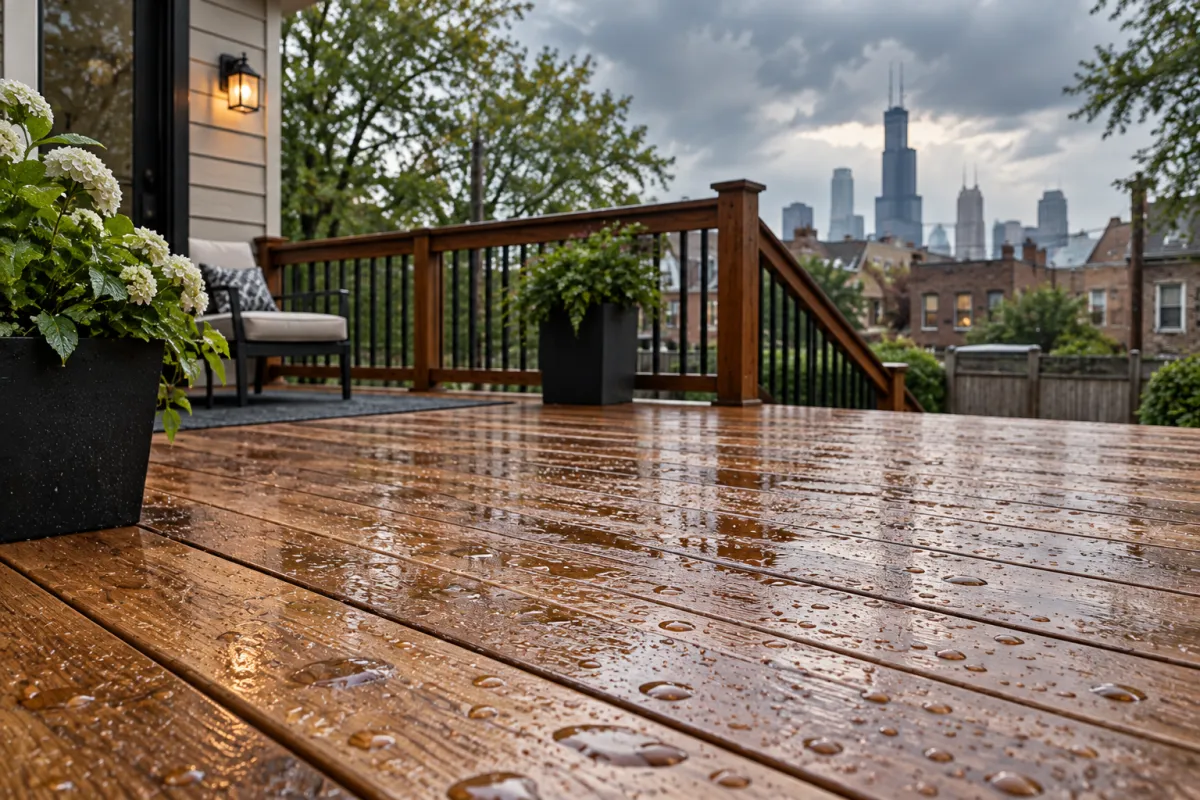
Deck Waterproofing in Chicago: Why It Matters More Than You Think
A lot of Chicago homeowners think deck waterproofing is just another word for staining. It’s not.
Waterproofing is what keeps your deck from slowly rotting from the inside out. In a climate like ours, that matters more than most people realize.
Between heavy snow, spring rain, humid summers, and constant freeze-thaw cycles, Chicago decks deal with moisture nearly year-round. If water gets into the wood and stays there, problems start quietly and get expensive fast.
If you live in Rosemont, Niles, Skokie, or anywhere across Chicagoland, waterproofing isn’t a luxury upgrade. It’s basic protection.
Let’s break down why deck waterproofing in Chicago matters so much and what best practices actually look like.
Why Deck Waterproofing in Chicago Is Critical
Chicago weather is uniquely rough on wood.

Here’s what your deck faces every year:
Snow sitting for weeks at a time
Ice melt chemicals tracked across boards
Spring rain soaking into small cracks
Humid summer air feeding mold and mildew
Intense UV exposure that dries and weakens wood fibers
When wood absorbs water and then freezes, it expands. That expansion causes micro-cracks. Those cracks allow more moisture in. Over time, that cycle leads to:
Splitting boards
Warping and cupping
Soft spots and rot
Loose railings
Structural weakening
This is why deck sealing in Chicago is not just about appearance. It’s about stopping that moisture cycle before it starts.
If you’ve ever wondered why one neighbor’s deck looks great after ten years while another needs major repairs after five, waterproofing is usually the difference.
Deck Waterproofing vs Deck Sealing vs Deck Staining Chicago
These terms get mixed up all the time, so let’s simplify it.
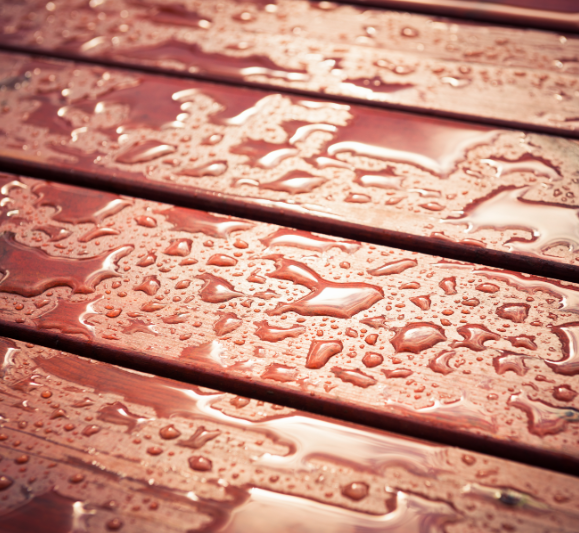
Deck waterproofing is the goal.
Deck Sealing is one method that creates a moisture barrier.
Deck staining Chicago homeowners choose usually includes sealing properties along with color protection.
A quality stain or sealer penetrates the wood and blocks water from soaking in while still allowing the wood to breathe. That balance is important. Completely trapping moisture can be just as bad as letting too much in.
At Chicagoland Deck Cleaning & Sealing, we use Rymar wood sealer because it penetrates deeply and provides long-lasting protection without creating a thick surface film that peels. Rymar products are designed for harsh climates, which makes them ideal for Chicago weather.
It’s not about slapping on a coat and calling it done. It’s about using the right product, applied the right way, at the right time.
Best Practices for Deck Waterproofing in Chicago
1. Proper Cleaning Before Sealing
Waterproofing starts with prep.
Dirt, mold, and old failing stain prevent new sealers from penetrating. A professional deck cleaning in Chicago removes contaminants without damaging the wood fibers.
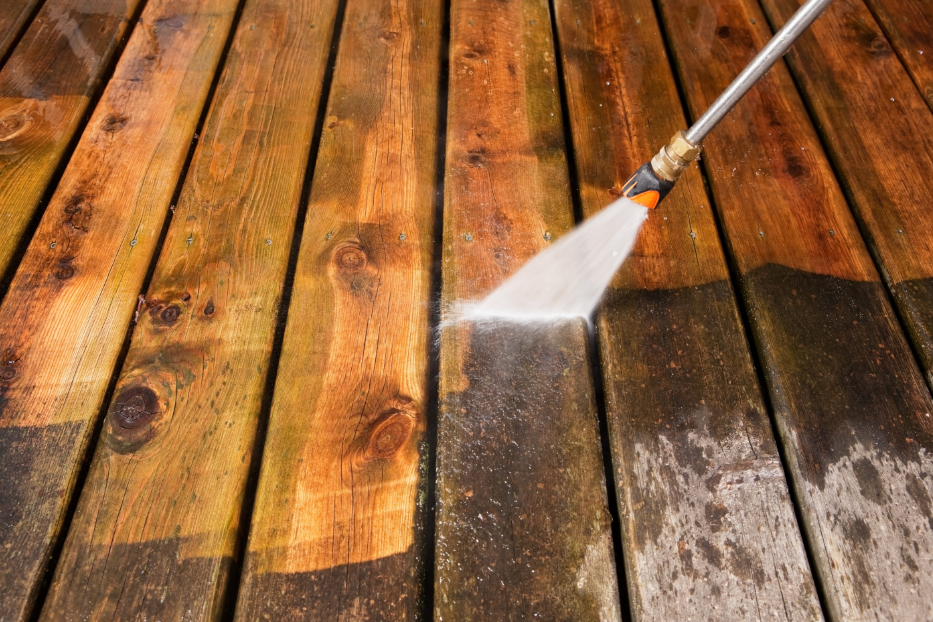
Too much pressure during power washing can actually open up the grain too aggressively, which shortens the life of your sealant. Controlled cleaning makes all the difference.
If you haven’t read our guide on How Often Should You Clean and Seal Your Deck in Chicago, that’s a helpful place to understand maintenance timing.
2. Seal at the Right Time of Year
Timing matters more than people think.
In Chicago, late spring through early fall is ideal. The wood needs to be dry before sealing. Sealing right before heavy rain or when humidity is extremely high can reduce effectiveness.
Fall sealing can be especially smart because it prepares the deck for winter snow loads.
3. Choose Penetrating Sealers Built for Midwest Weather
Not all products are created equal.
Cheap sealers often sit on top of the wood and peel after one season. A penetrating sealer like Rymar soaks into the wood fibers, strengthening and protecting from within.
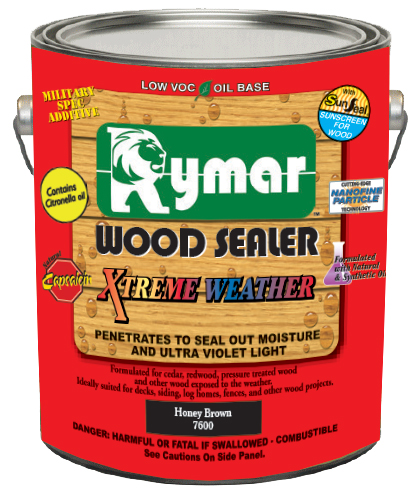
This helps prevent:
Water absorption
UV damage
Premature graying
Peeling and flaking
For homeowners in shaded areas like Skokie or tree-heavy parts of Niles, this deeper protection is even more important because moisture lingers longer.
4. Don’t Ignore Early Warning Signs
You do not need to wait until boards are rotting.
Signs it’s time for deck waterproofing in Chicago:
Water no longer beads on the surface
Stain looks faded or patchy
Boards feel dry and rough
Dark spots appear after rain
If water soaks in immediately, the deck is unprotected.
If your deck already feels soft or structurally unstable, you may be beyond simple waterproofing. In that case, our article on Deck Refinishing vs Restoration in Chicago | What Homeowners Need explains when repairs are necessary.
What Happens If You Skip Waterproofing?
This is where costs climb.
Without proper deck sealing in Chicago, you risk:
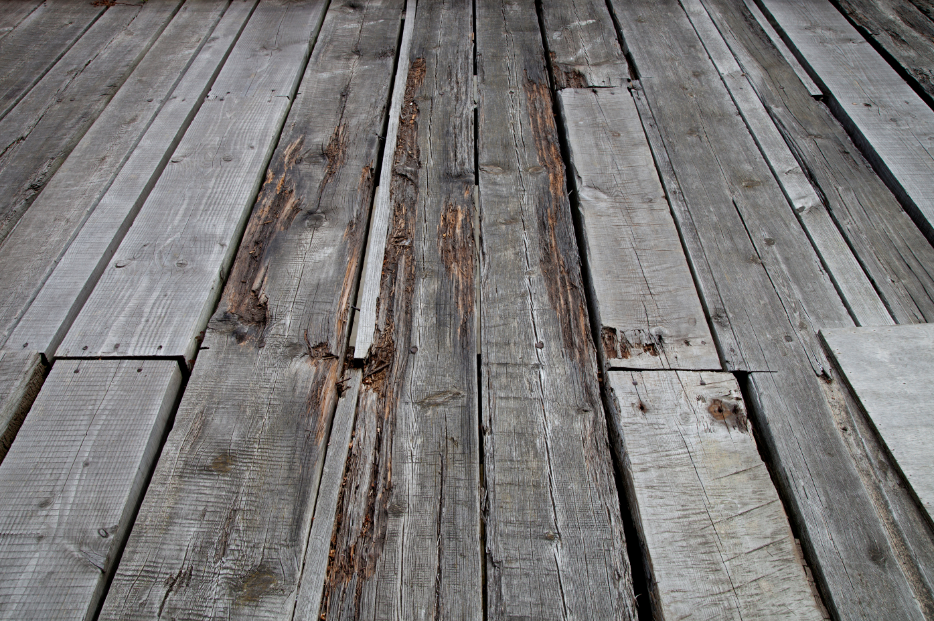
Rot that requires board replacement
Railings becoming unsafe
Full deck restoration instead of simple maintenance
Higher long-term expenses
We regularly see decks in Rosemont and Niles that only needed routine sealing turn into major restoration projects because waterproofing was delayed a few seasons too long.
Water damage rarely announces itself loudly. It builds slowly until it’s obvious and expensive.
DIY vs Professional Deck Waterproofing
Can you waterproof your own deck? Sometimes.
Should you? That depends.
DIY often falls short because:
The deck wasn’t cleaned properly first
The wrong product was used
Application was uneven
Weather timing was off
Professional deck waterproofing in Chicago ensures the wood is prepped correctly, sealed evenly, and protected for maximum longevity.
A quick evaluation from Chicagoland Deck Cleaning & Sealing can tell you exactly what your deck needs without guessing.
Conclusion: Waterproofing Is Protection, Not Just Maintenance
Deck waterproofing in Chicago is not just about looks. It’s about preserving the structure, protecting your investment, and avoiding expensive repairs down the road.
With the right cleaning, the right timing, and a quality penetrating sealer like Rymar, your deck can withstand Chicago’s toughest seasons.
If you want your deck properly cleaned, sealed, and protected, Chicagoland Deck Cleaning & Sealing is ready to help. Get a quote today and make sure your deck is ready for whatever Chicago weather throws at it.
FAQ
How often should I waterproof my deck in Chicago?
Most decks need sealing or staining every 1 to 2 years depending on exposure.
Is waterproofing different from staining?
Yes, but many stains include waterproofing properties.
What is the best deck sealer for Chicago weather?
Penetrating sealers like Rymar perform well in freeze-thaw climates.
Can waterproofing fix rotting boards?
No. Rot requires repair or restoration before sealing.
Does waterproofing help prevent mold?
Yes. Proper sealing reduces moisture absorption, which limits mold growth.
