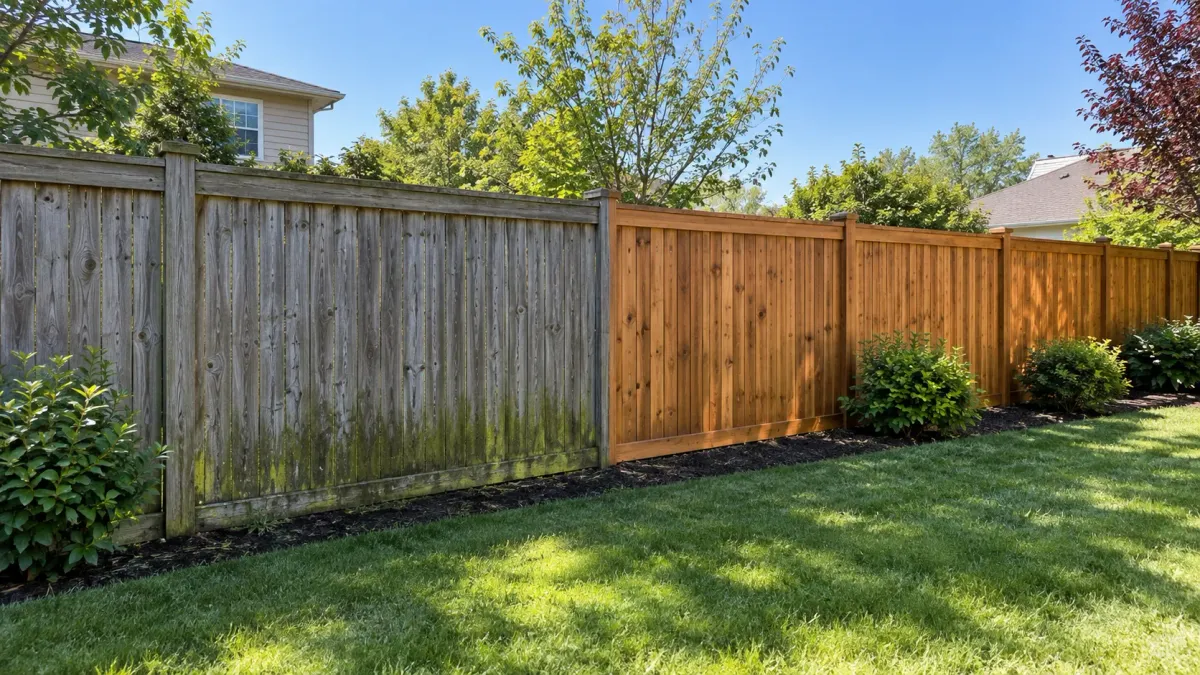
Fence Cleaning and Sealing in Chicago: How to Make Your Wood Fence Last
Most people put real effort into their deck and barely look at the fence. It sits through the same Chicago winters and humid summers, though, and it usually gets less care. The fence only gets noticed once the boards have gone gray, a picket splits, or a post starts leaning. At that point, a cleaning and a coat of sealer may not be enough to save it.
We've been cleaning and sealing decks, porches, and fences around Chicago and the suburbs since 1995. Here's what makes fences a little different, and what you can do to keep yours around longer.
Why Fences Wear Differently Than Decks
Because a fence stands upright, rain runs off it faster than it drains off a deck. That leads a lot of homeowners to assume it doesn't need much protection. Fences have their own trouble spots, though:
Two exposed sides. Sun and rain hit both faces, so there's twice as much wood to protect.
The ground line. Wood that touches soil, grass, or mulch stays damp a lot longer. Rot usually starts here.
End grain. The cut ends of each picket soak up water faster than the flat faces.
Sprinklers and plants. A sprinkler that hits the fence every morning keeps it wet. So do shrubs pushed up against the boards.
Full sun. UV light breaks down the surface fibers of the wood. That's why unprotected fences turn gray.
Signs Your Fence Needs Cleaning and Sealing
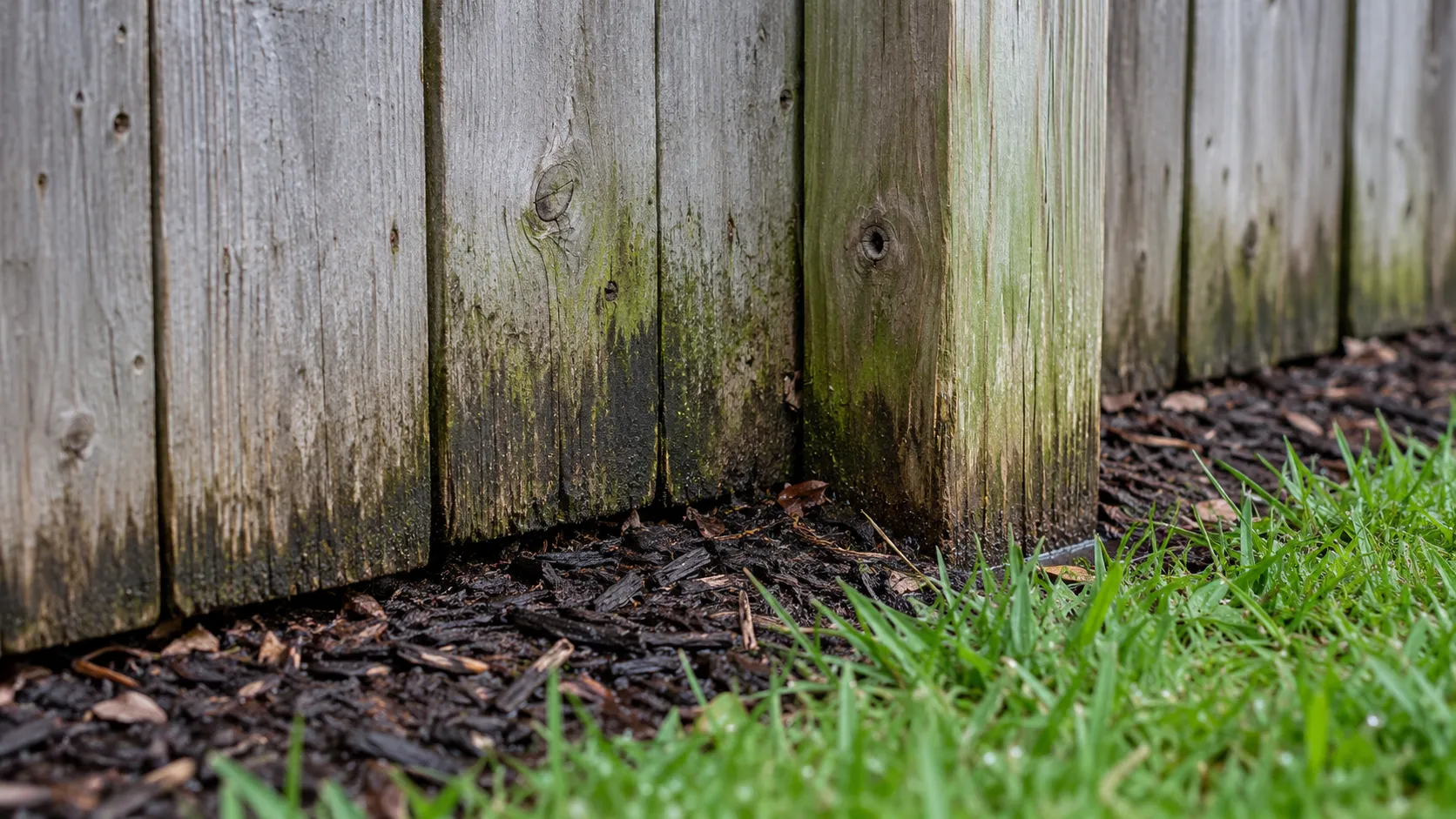
Gray, weathered color
Water soaks in instead of beading up
Green or black growth, usually near the bottom
A rough or splintery surface
Stain that looks faded or patchy
Try the water test from our guide on how often to clean and seal in Chicago. It works on fences too. Sprinkle some water on a few boards. If it beads up, the finish is still doing its job. If it soaks in and the wood darkens, it isn't.
Some problems go deeper than the finish: posts that lean, wood that's soft near the ground, broken pickets. Sealer protects wood, but it can't fix it, so get those repaired before anything gets sealed. Not sure how bad yours is? Read our other post on deck refinishing vs. restoration walks through the difference, and the same idea holds for fences.
Why Cleaning Comes First
Sealer only protects the wood it can soak into. Dirt, mildew, and that gray layer of weathered fibers all get in the way. That's why every fence we seal gets cleaned first.
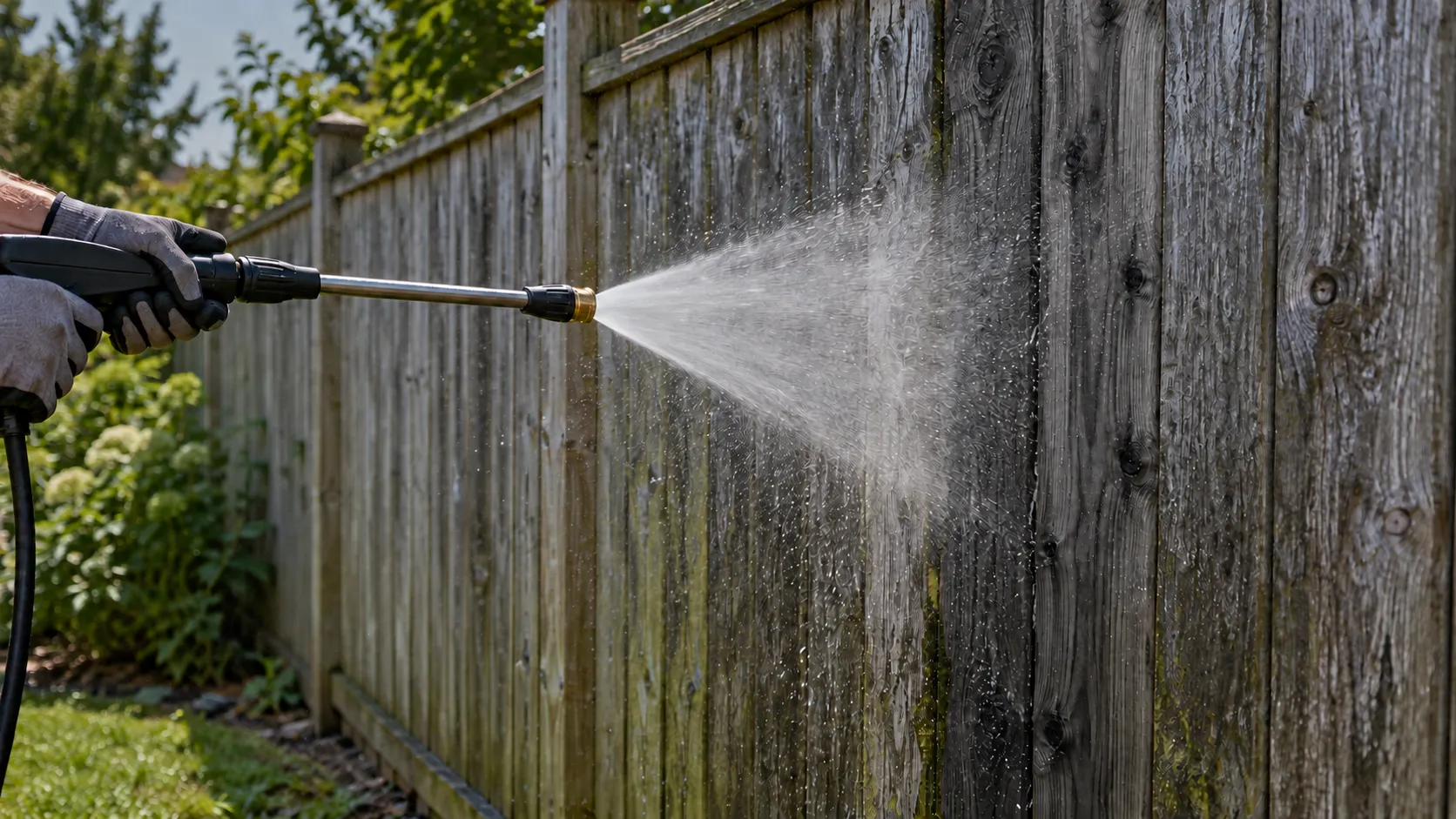
Pressure matters more on a fence than you might think, since pickets are often thinner than deck boards. Too much pressure, or a nozzle held too close, can rough up the fibers or gouge the surface. Our crews use controlled, wood-safe pressure and plain water. If you're thinking about renting a pressure washer and doing it yourself, our comparison of professional cleaning vs. DIY power washing lays out the trade-offs.
Stain or Clear Sealer?
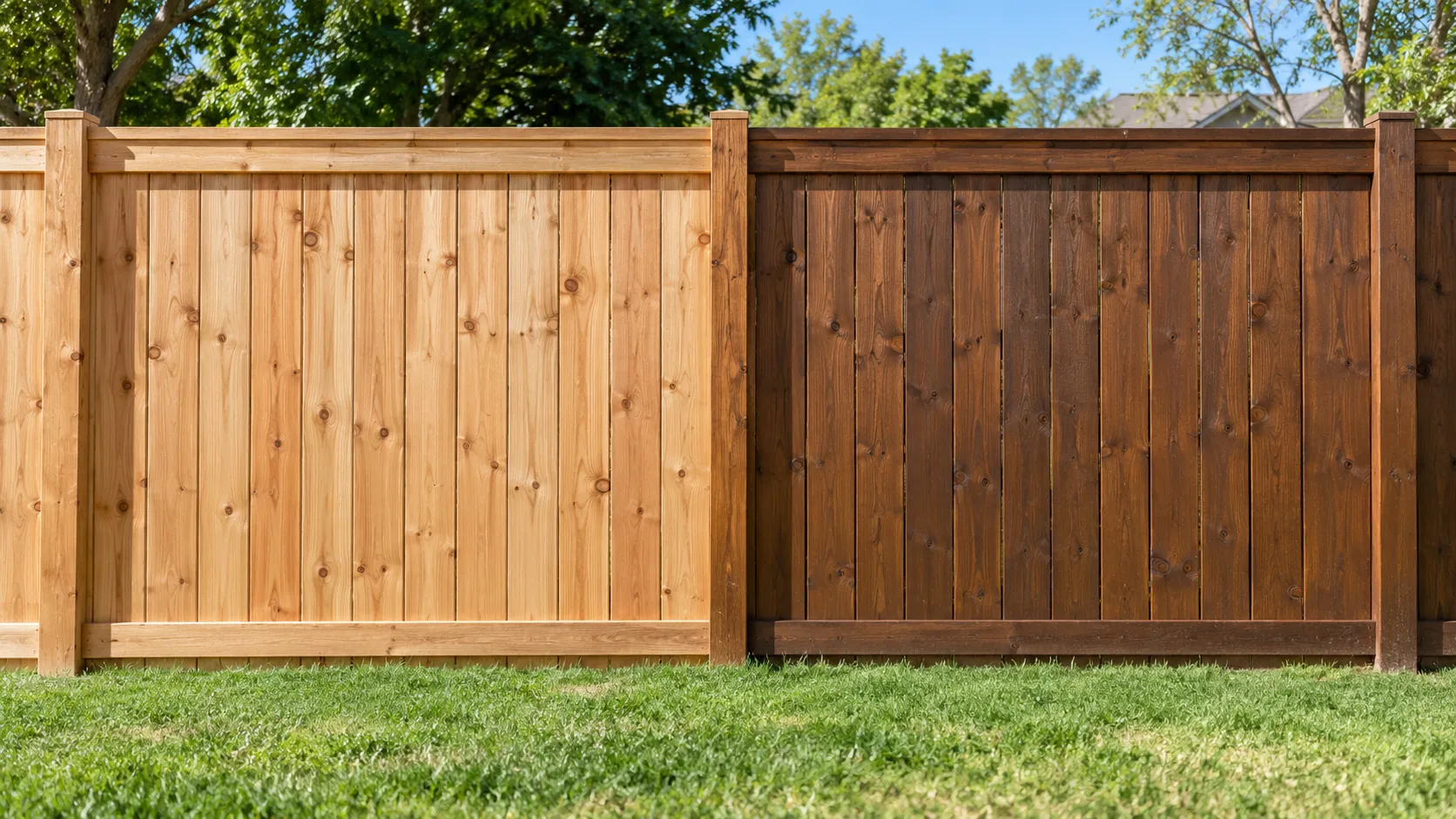
That comes down to the look you want. Stain adds color as well as protection. A clear sealer keeps the wood's natural look and focuses on keeping water out. Pigmented stains usually hold up better against UV than clear sealers do, which makes them worth considering for a fence that gets sun all day. We're happy to help you pick based on your wood and your yard.
Prep Tips Before Your Fence Gets Sealed
Cut plants and vines back so they aren't touching the fence.
Aim sprinklers away from the boards.
Where you can, pull mulch and soil back from the bottom of the pickets.
If the fence is shared, talk to your neighbor. Sealing only your side leaves theirs exposed.
New pressure-treated fence? Give the wood time to dry first, usually a few months after it goes in.
Get Your Fence on the Spring Schedule
Spring and early summer are the best time to clean and seal in Chicago, and our April through June calendar fills up fast. If your fence failed the water test or is starting to gray, it's worth planning now. Contact Chicagoland Deck Cleaning & Sealing for a free quote with no obligation, or give us a call at 773-348-4516. If the deck could use some attention too, just mention it.
Frequently Asked Questions
How often should I seal my wood fence in Chicago? That depends on how much sun it gets, the type of wood, and the product used. The easiest way to tell is the water test. Check once a year, and when water soaks in instead of beading, it's time.
Can I seal a brand-new fence? Not right away. Pressure-treated wood needs to dry out first, usually for a few months after installation. Seal it too soon and the finish may not soak in properly.
Will pressure washing damage my fence? It can, if the pressure is too high or the nozzle gets too close. With pressure suited to wood, it cleans the surface without splintering it.
Do I need to seal both sides of my fence? Ideally, yes. Both sides face the weather, and an unsealed side keeps soaking up moisture. If you share the fence, it's worth a quick conversation with your neighbor.
Can sealing fix a leaning or rotting fence? No. Sealer protects wood that's still in good shape. It won't repair rot or straighten a post. Get the structural issues fixed first, then reach out to us about cleaning and sealing.
